

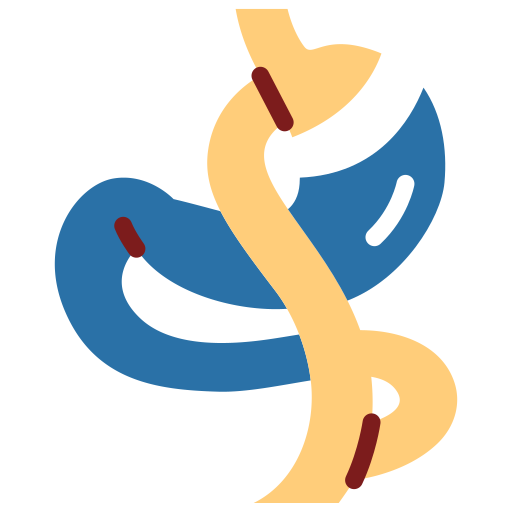
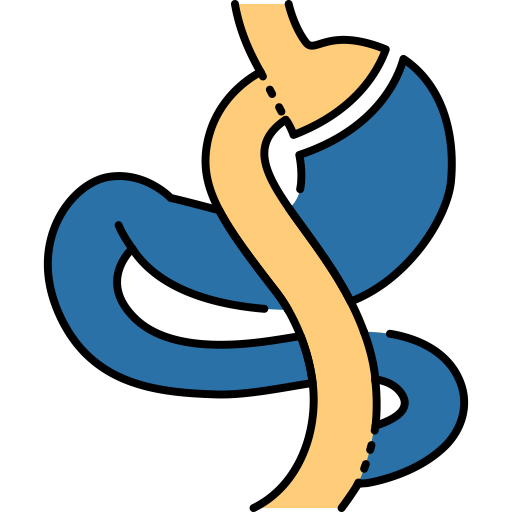




Many people living with type 2 diabetes hear about gastric bypass primarily as a weight-loss operation. Fewer realize that, in clinical practice, it is classified as a form of "metabolic surgery" — a term used specifically because of its direct effects on blood sugar regulation, independent of weight loss alone.
How Does the Surgery Affect Diabetes?
When the digestive path is rerouted so that food bypasses part of the stomach and upper small intestine, it reaches the lower segments of the gut much faster than usual. This triggers a surge in gut hormones such as GLP-1 and GIP, which play a direct role in:
- Improving how efficiently the pancreas responds and releases insulin.
- Increasing the body's sensitivity to insulin — sometimes within days of surgery, well before significant weight loss occurs.
- Modifying hunger and satiety signals sent from the digestive tract to the brain.
This explains why some patients see a drop in fasting blood sugar even before leaving the hospital after surgery — a change that cannot be explained by calorie reduction alone.
Who Is the Best Candidate?
Gastric bypass is not automatically the first option for every diabetic patient. Specific clinical criteria help identify who is likely to benefit most:
- Patients with obesity combined with type 2 diabetes, particularly when BMI is significantly elevated.
- Those who are not achieving adequate blood sugar control despite consistent medication use and lifestyle changes.
- Patients with diabetes-related complications compounded by obesity, such as high blood pressure or lipid disorders.
Each case is evaluated individually through comprehensive testing, including HbA1c levels, liver and kidney function, and overall health stability before a surgical decision is made.
How Is It Different From Sleeve Gastrectomy?
Sleeve gastrectomy also improves blood sugar control, largely through weight loss and some hormonal shifts, but its direct metabolic effect is generally more modest than that of gastric bypass. By rerouting the intestines, gastric bypass produces a deeper hormonal shift, which is often why it is favored for patients with more advanced or medication-resistant diabetes. You can learn more about this procedure on our gastric bypass surgery page.
What Outcomes Can Patients Realistically Expect?
Clinical follow-up data show that a substantial proportion of patients experience meaningful improvement in diabetes control after surgery, and some may be able to reduce or stop certain diabetes medications. However, outcomes vary from one patient to another depending on how long they have had diabetes, the remaining function of their pancreatic cells, and how closely they follow post-operative care. This surgery should not be viewed as a guaranteed "cure," but rather as a powerful tool within a broader treatment plan.
Medical Follow-Up After Surgery
One common and potentially dangerous mistake is stopping diabetes medication independently after surgery, assuming the condition is fully resolved. Blood sugar must continue to be monitored regularly, and any medication adjustments should only be made under a physician's supervision, since the rapid metabolic changes after surgery can require immediate dose adjustments to avoid dangerous drops in blood sugar.
If you have type 2 diabetes along with excess weight and have not achieved satisfactory control through conventional methods, a specialized surgical consultation can help clarify which options are right for you. To reach out and schedule an evaluation, contact us via WhatsApp at +962797094120, Dr. Dawoud Dawoud Clinic, Jabal Amman, Al Basma Medical Complex, 6th floor.
Trusted medical references for general education: ASMBS · NIDDK · Mayo Clinic