




Many people carrying excess weight experience recurring acid reflux without realizing that the underlying driver may be obesity itself, not just diet choices. Understanding this connection is the first step toward choosing the right treatment.
Why Excess Weight Worsens Reflux
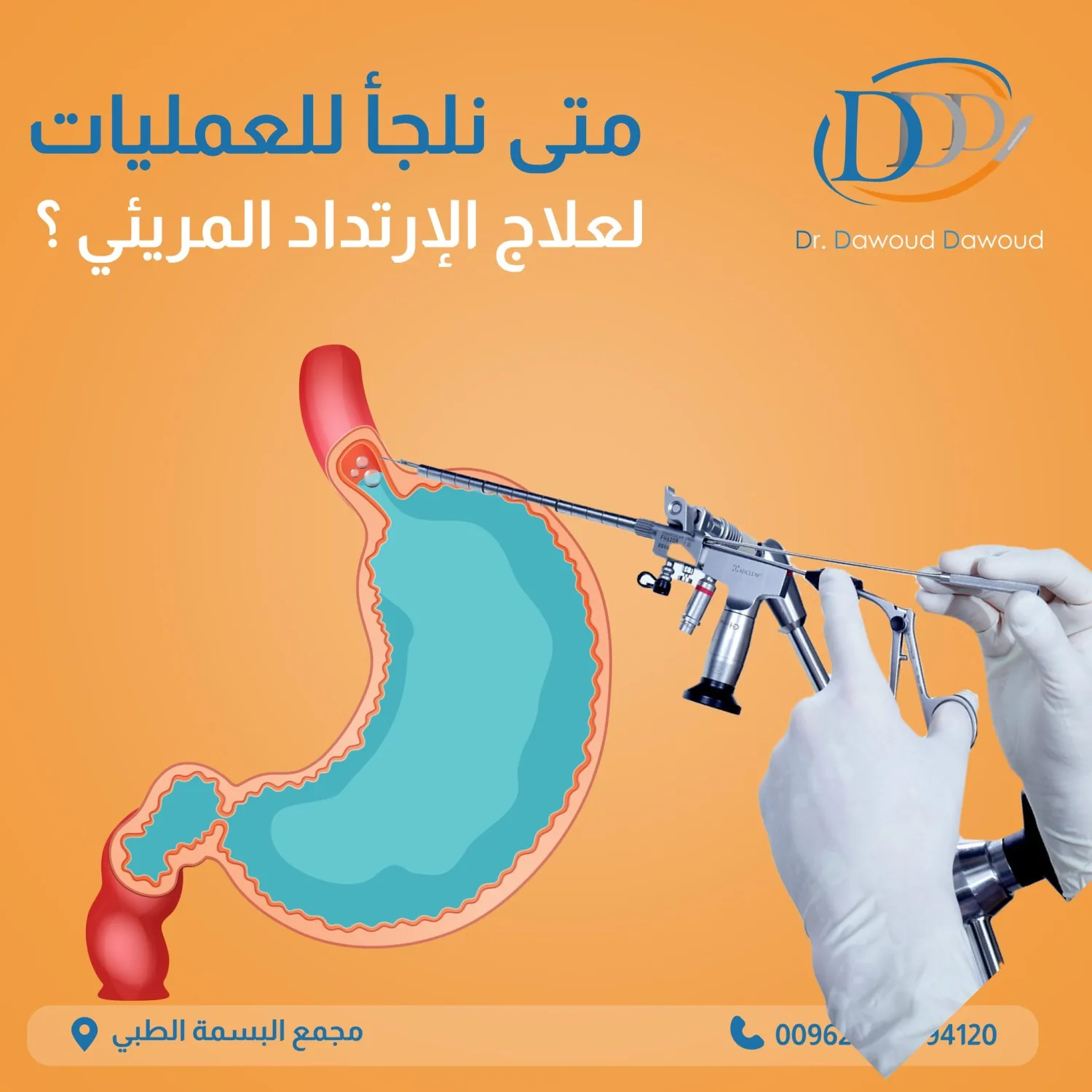
Visceral fat around the abdomen continuously raises intra-abdominal pressure. That pressure pushes stomach contents upward through the lower esophageal sphincter, the valve separating the stomach from the esophagus. Over time this valve weakens and closes less effectively, allowing acid to travel back up more often. Obesity is also linked to a higher likelihood of an accompanying hiatal hernia, which can make reflux more severe and harder to control with diet alone.
Symptoms Worth Paying Attention To
- Recurrent heartburn or burning discomfort behind the breastbone, especially after meals or when lying down
- Regurgitation of food or sour liquid into the mouth or throat
- Chronic, unexplained cough or persistent hoarseness
- Chest discomfort or pressure sometimes mistaken for a cardiac issue
Red Flags That Need Prompt Evaluation
- Difficulty or pain when swallowing
- Unintended weight loss
- Signs of gastrointestinal bleeding, such as vomiting blood or black, tarry stools
- Symptoms that persist despite consistent medication use
Any of these warrants a prompt medical evaluation to rule out complications such as severe esophagitis, esophageal strictures, or changes in the esophageal lining.
The Treatment Ladder: From Lifestyle to Surgery
Step One: Lifestyle and Dietary Changes
Smaller meals, avoiding lying down right after eating, elevating the head of the bed, and cutting back on known triggers like caffeine, high-fat foods, and heavy late-night meals help many patients — particularly when combined with gradual weight loss.
Step Two: Medication
Proton pump inhibitors (PPIs) or H2 blockers reduce acid production and give the esophageal lining a chance to heal. These medications are effective for symptom control but do not address the underlying cause, especially in patients with significant obesity or a large hiatal hernia.
Step Three: When Surgery Becomes Relevant
When symptoms do not respond to medication, or when significant obesity coexists with moderate-to-severe reflux, surgical evaluation becomes important. This is a critical distinction every patient should understand:
- Sleeve gastrectomy is effective for weight loss, but in some patients it can worsen existing reflux or trigger new-onset GERD due to changes in stomach shape and increased internal pressure.
- Gastric bypass often improves reflux symptoms significantly, because it reroutes food away from the acid-producing portion of the stomach — making it the preferred option for patients dealing with both obesity and substantial GERD.
This is why assessing the severity and pattern of reflux before choosing a bariatric procedure is an essential step. You can read more about gastric bypass surgery and whether it fits your situation.
Summary and Next Step
Obesity-related GERD is not just an occasional inconvenience — it can be a signal worth a careful evaluation to determine the most suitable treatment path, whether medical or surgical. Every case is different, and the right decision comes from a thorough assessment and an honest discussion with a specialist.
To ask questions or book a consultation, reach out via WhatsApp at +962797094120, Dr. Dawoud Dawoud Clinic, Jabal Amman, Al Basma Medical Complex, 6th floor.
Trusted medical references for general education: ASMBS · NIDDK · Mayo Clinic