




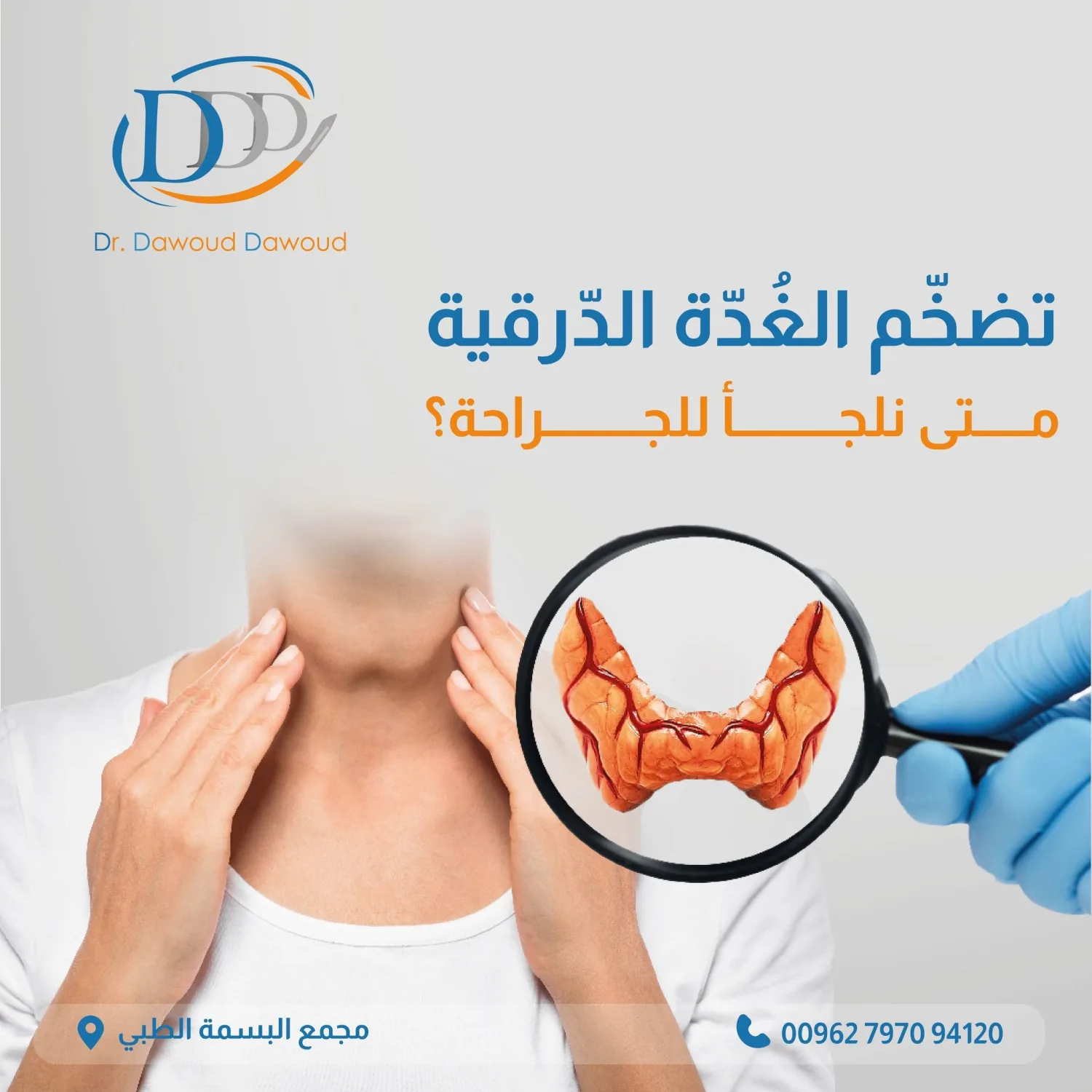
An enlarged thyroid gland, or goiter, is one of the most common reasons patients are referred to a surgical clinic — yet one of the most misunderstood. Not every goiter requires an operation, and the decision to proceed with surgery is never based on appearance alone. This article focuses specifically on the criteria used to decide when surgery becomes the right path for a goiter, separate from the general pre-operative questions about thyroidectomy covered in a dedicated article on this site.
What Is a Goiter and What Causes It?
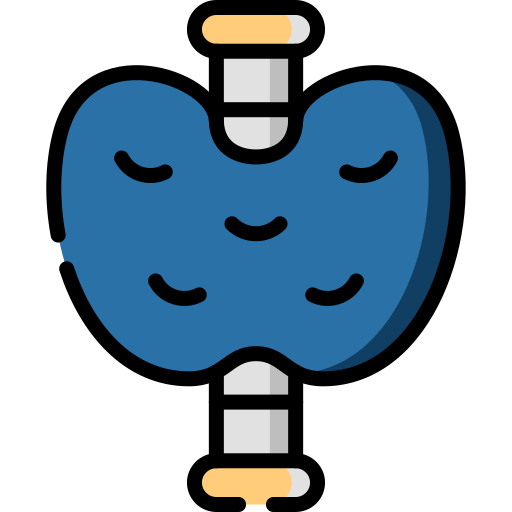
The thyroid is a small gland located at the base of the neck, in front of the windpipe. A goiter is simply an abnormal enlargement of this gland, and it can result from several underlying causes:
- Iodine deficiency: Historically the most common cause in regions with low dietary iodine, now far less frequent due to iodized salt.
- Autoimmune thyroid disease: Conditions such as Hashimoto's thyroiditis or Graves' disease, where the immune system attacks thyroid tissue, causing it to enlarge.
- Nodular growth: The development of a single nodule or multiple nodules (multinodular goiter) within the gland. Most are benign but require proper evaluation.
- Other causes: Including thyroid inflammation or, less commonly, thyroid tumors.
A goiter is usually first noticed as a visible swelling or bulge at the front of the neck, a sensation of tightness or fullness, or sometimes it is found incidentally during imaging (such as a neck ultrasound or CT scan) done for an unrelated reason.
Symptoms That May Signal a Problem
Not every goiter causes symptoms, but certain signs warrant prompt medical evaluation:
- Difficulty swallowing, particularly with solid foods, due to pressure on the esophagus.
- Shortness of breath or a choking sensation, especially when lying down, from pressure on the windpipe.
- Voice changes or persistent hoarseness, which can sometimes indicate involvement of the laryngeal nerve.
- Noticeable cosmetic concern from visible neck swelling.
- Symptoms of thyroid hormone imbalance — either hyperthyroidism (palpitations, weight loss, anxiety, excessive sweating) or hypothyroidism (fatigue, weight gain, cold intolerance, constipation).
Deciding Between Surgery and Watchful Waiting
The choice between ongoing monitoring or medical management versus surgical removal is based on a combination of factors, not a single criterion:
Factors That Favor Surgery
- Large size with compressive symptoms: When the goiter is large enough to press on the esophagus, windpipe, or nearby blood vessels, causing genuine difficulty swallowing or breathing.
- Suspicious nodules: Concerning findings on ultrasound, or a fine-needle aspiration (FNA) biopsy that returns suspicious or indeterminate results, warranting removal for both diagnosis and treatment.
- Continued growth despite treatment: If the gland or its nodules keep growing despite monitoring or appropriate medical therapy, this signals that conservative management is no longer sufficient.
- Hyperthyroidism not controlled by medication: When anti-thyroid drugs or radioactive iodine fail to control excess hormone production, or side effects prevent continuing them.
- Patient preference after weighing risks and benefits: After a full discussion of available options and expected outcomes, some patients prefer a definitive surgical solution over long-term monitoring.
When Monitoring or Medication Is Enough
For mild enlargement without compressive symptoms, nodules with clearly benign features on imaging, or hyperthyroidism that responds well to medication or radioactive iodine, regular monitoring with clinical exams, ultrasound, and periodic thyroid function testing is often sufficient.
A Brief Look at Surgery and Recovery
When surgery is recommended, it typically involves partial or total removal of the thyroid gland, depending on the size, distribution of the enlargement, and nature of the nodules. For a deeper look at how to prepare and what to expect, see the dedicated thyroidectomy page. In general, initial recovery takes a few days, with a return to normal activity within about two weeks, and some patients may require lifelong hormone replacement after total removal of the gland.
Conclusion
Goiter is a common condition, but surgery is only recommended when clear indicators are present — compressive symptoms, suspicion of malignancy, or failure of medical treatment to control the condition. Every case deserves individual evaluation combining clinical examination, ultrasound imaging, and hormone testing before deciding on the right path forward. To discuss your case and determine whether surgery is the right option for you, reach out via WhatsApp at +962797094120, Dr. Dawoud Dawoud Clinic, Jabal Amman, Al Basma Medical Complex, 6th floor.
Trusted medical references for general education: ASMBS · NIDDK · Mayo Clinic