




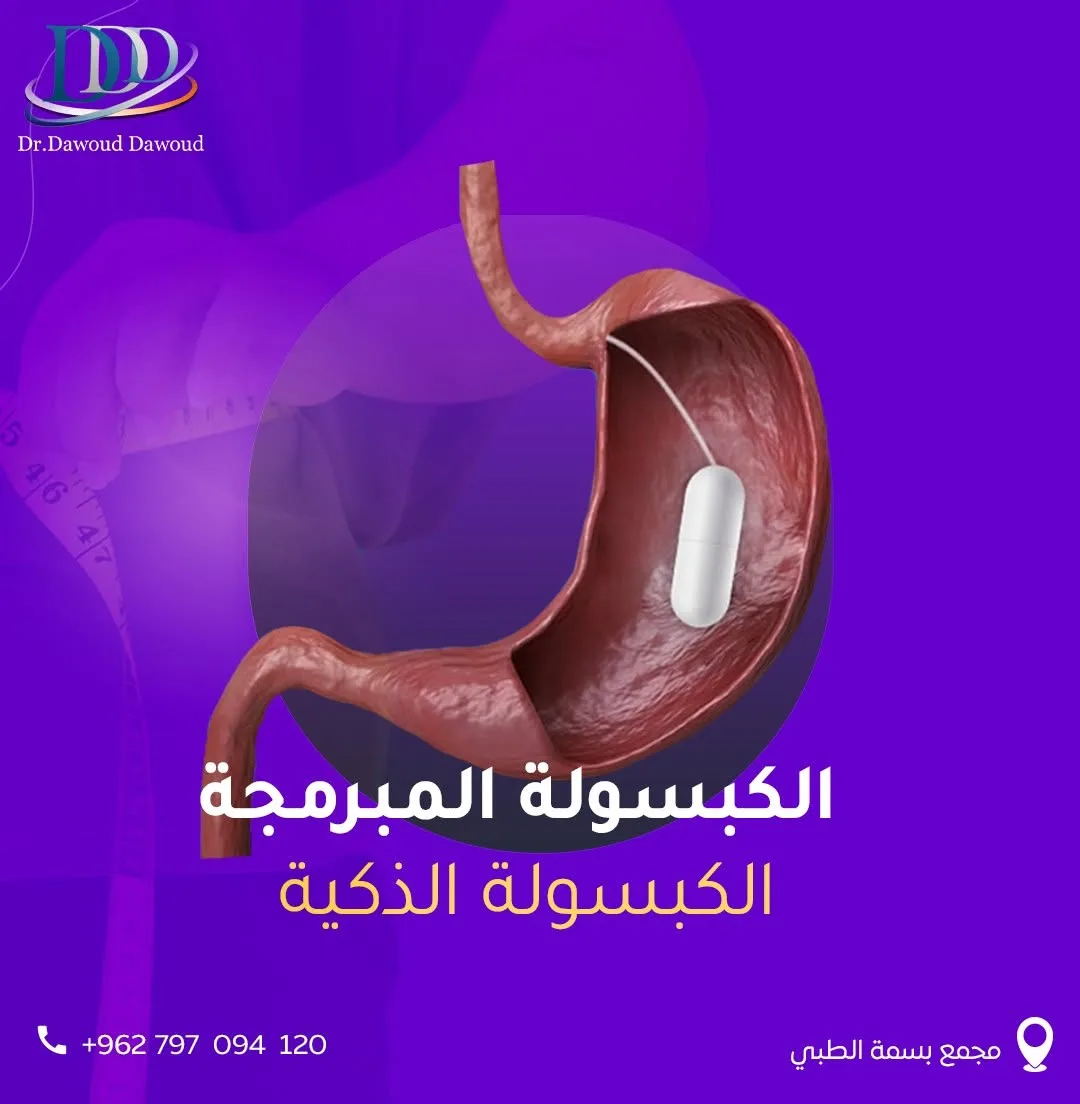
The "smart capsule" has emerged as a non-surgical option for weight management: a small capsule containing a folded balloon that is swallowed with water, then filled with liquid or gas once it reaches the stomach, occupying space that reduces the amount of food a person can comfortably eat and promotes early fullness. This approach appeals to patients looking for an alternative that avoids general anesthesia or a surgical incision, but it is not the right fit for everyone, and understanding how it works — and its limits — matters before deciding.
How Does the Smart Capsule Work?
The capsule is typically swallowed without the need for endoscopy or sedation in some systems, containing a folded balloon connected to a very thin tube or a self-sealing valve that allows it to be filled with a sterile solution once its position in the stomach is confirmed with a simple imaging check. Once inflated, the balloon floats in the stomach for a predetermined period — usually several months — reducing the effective stomach capacity and slowing gastric emptying, so the patient feels full after smaller portions. At the end of the set period, the balloon is either emptied or designed to degrade and pass naturally, or it is removed through a brief procedure depending on the specific system used.
Who Tends to Be a Good Candidate?
The smart capsule is not a universal solution for every degree of obesity. It tends to suit certain groups more than others:
- People with mild-to-moderate excess weight or obesity who do not necessarily require surgical intervention.
- Those who want a non-surgical option as a first step, or as a bridge toward lifestyle change before considering other paths.
- Patients who are not currently eligible for surgery, or who are hesitant about a permanent surgical procedure.
- Individuals genuinely ready to commit to an accompanying diet and activity program, since outcomes with the capsule are closely tied to lifestyle discipline during the period it remains in place.
On the other hand, people with severe obesity or weight-related complications such as uncontrolled diabetes or significant obstructive sleep apnea often need an evaluation that includes more definitive long-term options.
An Honest Comparison with Surgical Options
This approach differs from procedures such as sleeve gastrectomy or gastric bypass in several key ways:
- Invasiveness: The capsule generally requires no surgical incisions and no general anesthesia, while surgical procedures require an operating-room setting.
- Reversibility: The capsule's effect is temporary and ends once its set duration is over, whereas the anatomical changes from surgery are permanent or difficult to reverse.
- Expected weight loss: Results with the capsule are generally more modest than with surgery, and vary considerably from person to person depending on adherence to the accompanying lifestyle program.
For this reason, the smart capsule should not be viewed as a substitute for surgery in cases of severe obesity, but rather as a supportive tool within a broader treatment plan built after individual evaluation. To learn which option best fits your situation as part of a comprehensive weight-management program, visit the Obesity Treatment Center in Amman to review all available alternatives.
What to Expect During the Process
The process typically begins with baseline tests to rule out any medical contraindications, followed by swallowing the capsule under medical supervision with confirmation of its position. During the first few days after the balloon is inflated, some patients experience a temporary adjustment period with symptoms such as nausea, discomfort, or cramping, which generally ease as the body adapts. While the balloon remains in place, regular follow-up visits with the physician and a nutrition specialist help fine-tune the diet plan and maximize results. At the end of the set period, the balloon is removed or emptied depending on the system used, followed by a maintenance plan to help sustain the weight achieved.
Conclusion
The smart capsule is a promising option for a specific group of patients seeking a non-surgical starting point for weight management, but it is not a magic solution nor a replacement for surgery in advanced obesity cases, and its results depend heavily on personal commitment to an accompanying diet and activity plan. The right decision is always built on an individual medical evaluation that considers your current weight, health history, and goals. To ask questions or book an evaluation appointment with Dr. Dawoud Dawoud, reach out via WhatsApp at +962797094120, or visit the clinic at Jabal Amman, Al Basma Medical Complex, 6th floor.
Trusted medical references for general education: ASMBS · NIDDK · Mayo Clinic