


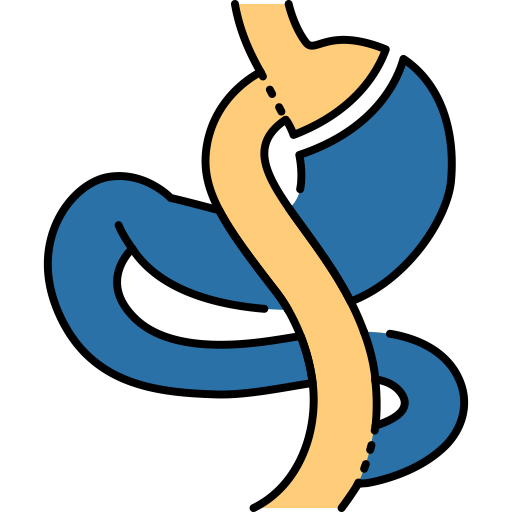




Many patients living with severe obesity ask whether gastric sleeve surgery (sleeve gastrectomy) is the right path for them, or whether another option would serve them better. The answer depends on more than a desire to lose weight — it rests on a defined set of medical, psychological, and behavioral criteria that are carefully assessed before any surgical decision is made.
BMI Thresholds Used for Eligibility
Body mass index (BMI) is the starting point for evaluating candidacy:
- A BMI of 40 kg/m² or higher (class III obesity), regardless of associated conditions.
- A BMI between 35 and 39.9 kg/m² together with at least one obesity-related condition, such as type 2 diabetes, hypertension, obstructive sleep apnea, or significant degenerative joint disease.
- In select, carefully evaluated cases, patients with a BMI of 30-34.9 kg/m² may be considered when type 2 diabetes remains poorly controlled despite medical therapy, in line with updated clinical guidance and individualized assessment.
Prior Weight-Loss Attempts
Patients are typically expected to show that they have tried non-surgical approaches — structured diet, regular physical activity, and sometimes weight-loss medication — for a reasonable period without achieving lasting results. This is not meant to delay care unnecessarily; it confirms that surgery is the logical next step after less invasive options have been genuinely attempted.
Age and General Health
Sleeve gastrectomy is generally performed on adults roughly between 18 and 65 years old, though patients outside this range may still be considered after a thorough evaluation of anesthesia and surgical risk. The surgeon also reviews cardiac and respiratory status to confirm the patient can safely tolerate surgery and recover well afterward.
Psychological and Behavioral Readiness
Psychological screening is a core part of the pre-operative pathway and typically covers:
- Identifying undiagnosed eating disorders, such as binge eating patterns, that may need treatment before surgery.
- Assessing the patient's readiness to commit to major, lasting changes in eating habits and lifestyle after the procedure.
- Ruling out unstable psychiatric conditions that could be negatively affected by the physical and hormonal changes following surgery.
- Confirming a support system — family or social — that helps sustain long-term follow-up.
Medical Contraindications to Be Aware Of
Not every patient with obesity is automatically a candidate for sleeve gastrectomy. Situations where a surgeon may recommend an alternative, such as gastric bypass, include:
- Severe, medically uncontrolled gastroesophageal reflux disease (GERD), since the sleeve can sometimes worsen reflux symptoms.
- A large, unrepaired hiatal hernia.
- Barrett's esophagus or other specific tissue changes identified on endoscopy.
- Severe, unstable psychiatric illness or active substance use disorder.
- Uncontrolled medical conditions that make general anesthesia unusually high-risk.
The Pre-Operative Evaluation Process
Before a surgery date is set, patients go through a structured series of tests and consultations to ensure safety and identify the most appropriate surgical option:
- Comprehensive blood work, including liver and kidney function, HbA1c, vitamin D, iron studies, and vitamin B12.
- Upper endoscopy when significant reflux is suspected, or to assess the stomach and esophagus directly.
- Nutrition consultation to review eating habits and prepare for the post-operative diet plan.
- Psychological consultation to assess behavioral readiness, as outlined above.
- Anesthesia evaluation for patients with cardiac, respiratory, or other risk factors.
How the Surgeon Chooses Sleeve vs. Other Options
The final decision weighs several factors together: the severity of reflux, the degree of obesity and diabetes, eating patterns (patients with strong sugar cravings may benefit more from bypass), and the patient's readiness for long-term follow-up. The decision is ultimately reached through direct discussion between surgeon and patient after reviewing all findings. You can learn more about the procedure itself on our gastric sleeve surgery page.
If you are seriously considering gastric sleeve surgery and want to know whether you are truly a candidate, the right first step is booking a comprehensive consultation. To reach us and schedule an appointment, message us on WhatsApp at +962797094120, or visit Dr. Dawoud Dawoud Clinic, Jabal Amman, Al Basma Medical Complex, 6th floor.
Trusted medical references for general education: ASMBS · NIDDK · Mayo Clinic