





 Treatment service
What is hernia repair?
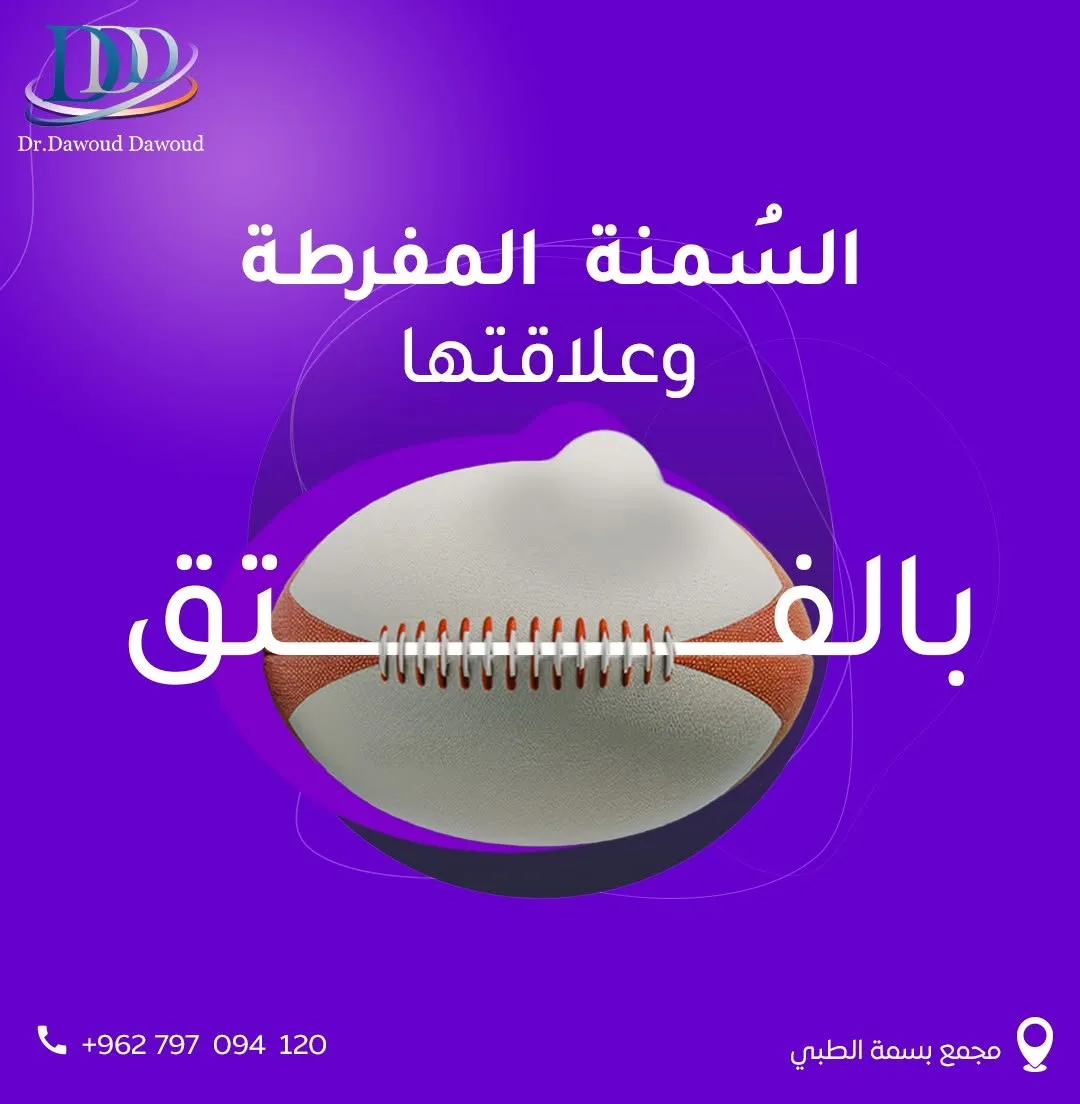
A hernia is the protrusion of an organ or tissue — usually part of the intestine — through a weak point in the abdominal wall. Hernias do not heal with medication; the definitive treatment is surgical, returning the tissue and reinforcing the wall with a supportive mesh, either laparoscopically or through open surgery depending on the hernia type, size and the patient's condition. Dr. Dawoud Dawoud treats all hernia types in Amman after an assessment that selects the most suitable technique for each case.
Hernia types and their treatment
| Hernia type | Location and symptoms | Common treatment |
|---|---|---|
| Inguinal hernia | Lower abdomen near the groin; bulge grows with standing and coughing | Laparoscopic repair (TEP/TAPP) with mesh |
| Umbilical hernia | Around the navel; common after pregnancy and with weight gain | Surgical repair with mesh depending on size |
| Incisional hernia | At a previous operation site, along the scar | Laparoscopic or open repair with supportive mesh |
| Hiatal hernia | Part of the stomach slides into the chest; heartburn and reflux | Laparoscopic repair, often with fundoplication |
A treatment decision based on assessment
The right surgical decision starts with understanding the diagnosis, symptoms, medical history, tests, and patient goals. Dr. Dawoud Dawoud explains the available options clearly and helps the patient choose the most suitable path.

Who may benefit from this service?
Suitability depends on the diagnosis and medical condition. The clinic focuses on matching treatment to the patient rather than using one plan for everyone.
- Patients with persistent symptoms affecting quality of life.
- Cases that need surgical assessment after tests or failed conservative care.
- Patients who want clear expectations before any procedure.
- Patients who can follow preparation and recovery instructions.
What happens during assessment?
The visit includes symptom review, examination, previous reports, medication history, and explanation of possible treatment options, risks, benefits, recovery, and follow-up.
Treatment is selected after confirming the problem.
Surgical and non-surgical choices are explained when relevant.
Recovery instructions and warning signs are discussed.
Treatment journey
Review of symptoms, history, and tests.
Choosing the suitable treatment approach.
Using laparoscopy or open surgery when appropriate.
Follow-up and lifestyle instructions.
Recovery and follow-up
Recovery varies by procedure and patient condition. The clinic provides clear instructions about activity, wounds, diet, medications, and when to contact the doctor.
- Follow the written instructions.
- Avoid heavy activity until cleared.
- Attend follow-up visits.
- Contact the clinic for severe pain, fever, bleeding, or persistent vomiting.
Why choose Dr. Dawoud Dawoud clinic?
The clinic combines professional surgical assessment with clear communication, realistic expectations, and careful follow-up in Jabal Amman.
Quick questions
Is surgery always needed?
No. The decision depends on diagnosis, symptoms, and response to conservative care.
How is the technique chosen?
The technique is selected based on the condition, tests, and patient factors.
How do I book?
Send a WhatsApp message with the service name to arrange an appointment.
Send the service name through WhatsApp to book a consultation at Dr. Dawoud Dawoud clinic in Jabal Amman.
Selected educational references: SAGES · SAGES Guidelines