







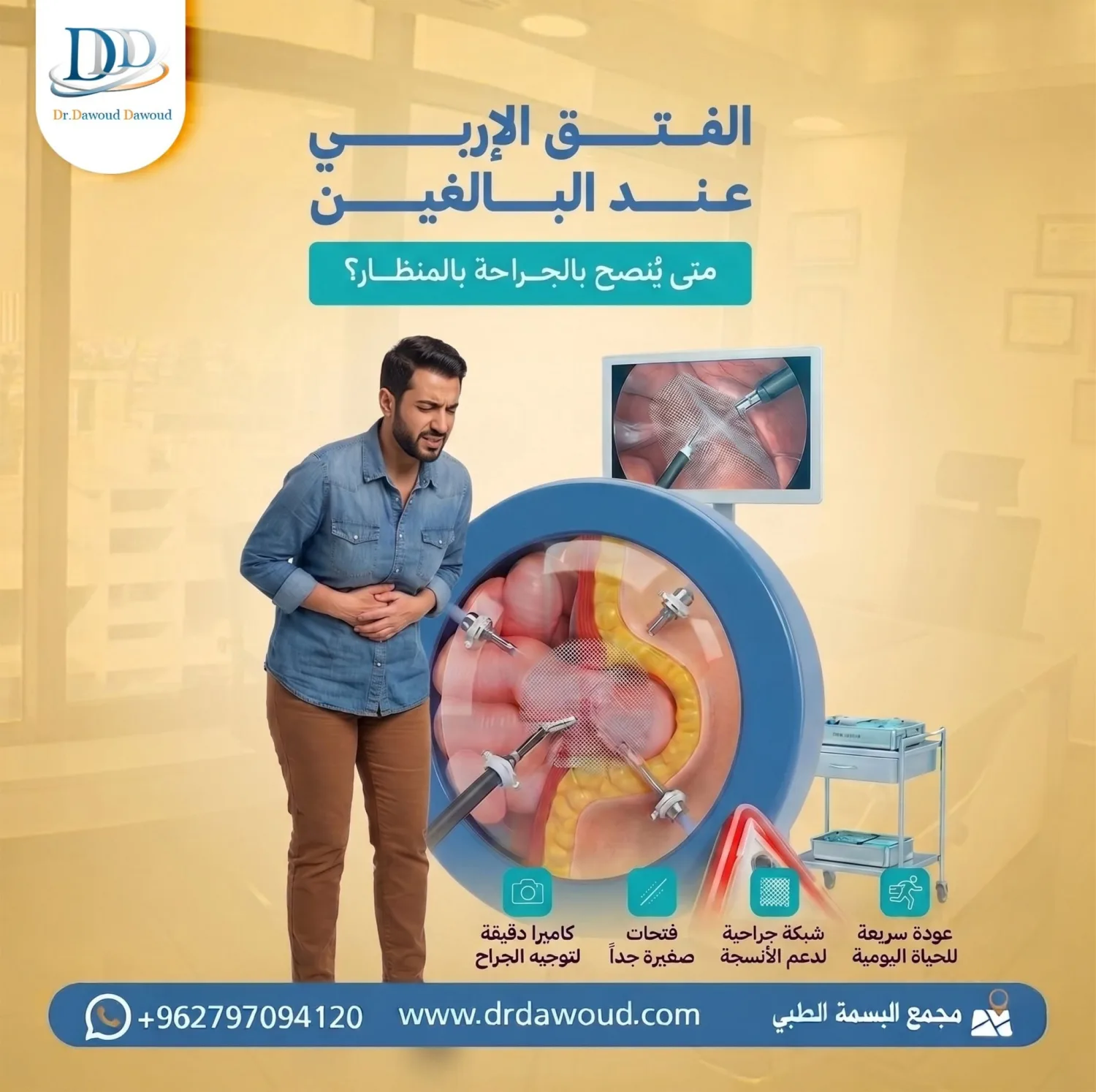
What Is an Inguinal Hernia?
An inguinal hernia occurs when part of the intestine or fatty tissue pushes through a weak point in the abdominal wall muscles in the groin area. It is the most common type of hernia and occurs far more frequently in men than women, due to the anatomy of the inguinal canal formed during fetal development as the testicle descends. An inguinal hernia can affect one side only (unilateral) or both sides at once (bilateral), typically presenting as a groin bulge that becomes more noticeable when standing, coughing, or lifting, sometimes accompanied by a dull ache or heaviness.
Why Is Laparoscopic Repair Particularly Well Suited to Inguinal Hernias?
The groin region contains delicate blood vessels and nerves in close proximity, and laparoscopic surgery gives the surgeon a magnified, high-definition view of this anatomy from the inside, allowing precise mesh placement without a large incision directly over the groin. This advantage is most evident in bilateral inguinal hernias: rather than performing two separate open procedures with two separate incisions, the surgeon can repair both sides in a single session through the same small abdominal ports, which meaningfully reduces overall pain and recovery time compared to two separate open repairs.
The Two Common Laparoscopic Techniques: TEP and TAPP
TEP (Totally Extraperitoneal Repair)
In this technique, the surgeon works entirely in the space between the abdominal muscles and the peritoneal lining, without entering the abdominal cavity itself. This lowers the risk of tissue adhesions to internal organs and is often preferred for patients with no prior pelvic or lower abdominal surgery.
TAPP (Transabdominal Preperitoneal Repair)
Here, the surgeon first enters the abdominal cavity through the laparoscope, then opens the peritoneal layer from inside to access the hernia defect and place the mesh, closing the peritoneum afterward. This approach offers a broader view of the internal anatomy and is particularly useful when a concurrent femoral hernia is suspected, or when additional intra-abdominal assessment is needed during surgery.
The surgeon selects the most appropriate technique based on the individual case, hernia size, and the patient's prior surgical history.
The Role of Mesh Reinforcement
In the vast majority of laparoscopic inguinal hernia repairs, a synthetic surgical mesh is placed over the weakened area of the abdominal wall to provide lasting reinforcement and reduce the risk of recurrence. The mesh gradually integrates with surrounding tissue over several weeks, and studies consistently show mesh-based repair significantly lowers recurrence rates compared to repair without mesh.
What to Expect After Surgery: Recovery Timeline and Activity Restrictions
- Most patients go home the same day or the following morning.
- Light daily activities and walking can typically resume within 2-3 days.
- Heavy lifting and strenuous physical effort should be avoided for about 3-4 weeks, depending on the surgeon's assessment.
- Return to desk work is usually possible within a week, while physically demanding jobs may require a longer break.
- Post-operative pain is generally lower than with open surgery, with a comparatively faster overall recovery.
Who May Not Be a Candidate for the Laparoscopic Approach?
Despite its advantages, laparoscopic repair is not the right choice for everyone. Patients with prior pelvic or lower abdominal surgery that may have caused dense internal adhesions, very large or complex hernias, or underlying medical conditions that make general anesthesia unsafe may be better suited to an open repair. A thorough individual evaluation is essential to determine the safest and most appropriate approach for each patient.
To learn more about hernia treatment options, visit our laparoscopic hernia repair page.
If you notice a groin bulge or discomfort and want to know which treatment option suits your case, we recommend scheduling an individual consultation. To book via WhatsApp: +962797094120 - Dr. Dawoud Dawoud Clinic, Jabal Amman, Al Basma Medical Complex, 6th floor.
Trusted medical references for general education: ASMBS · NIDDK · Mayo Clinic